What Player Tracking Reveals About Blackjack Promotion Effectiveness in Mobile-First Casinos
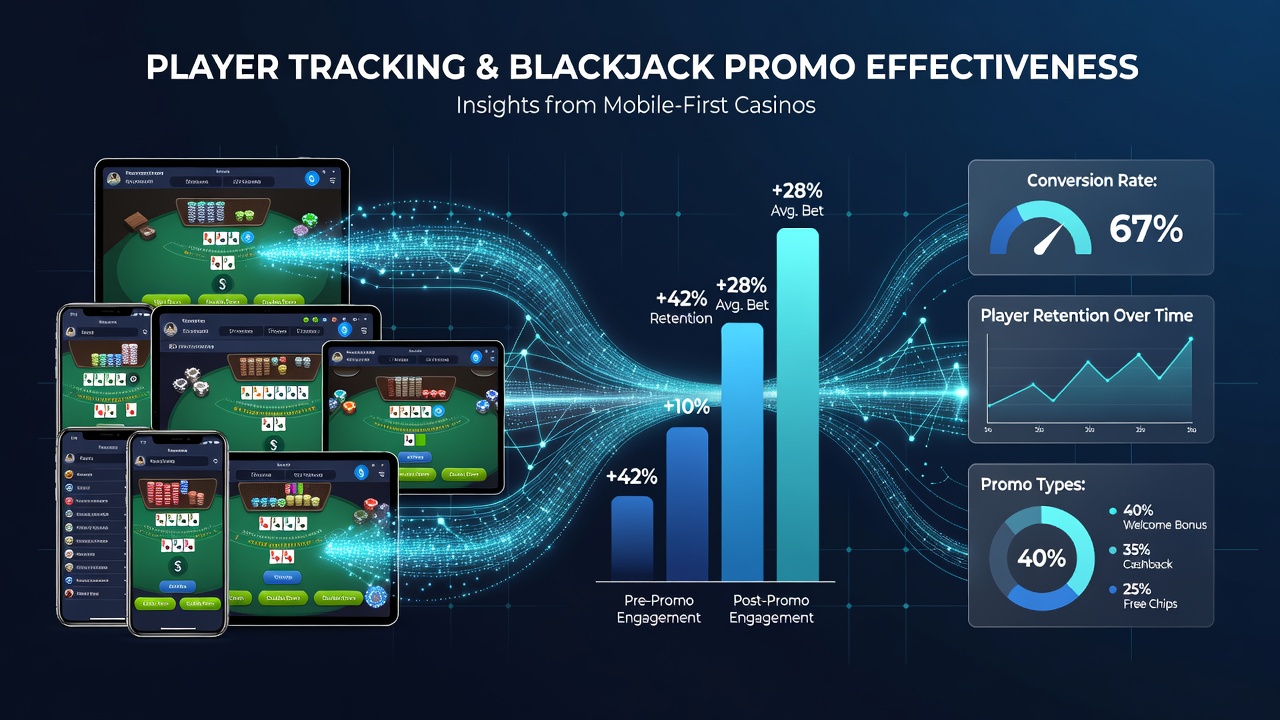
Player tracking systems in mobile-first casinos capture detailed behavioral data that shows how blackjack promotions perform across different user segments, and these systems log everything from session duration to bet sizing patterns while players engage with deposit matches or free chip offers. Data collected through these platforms indicates that promotions tied directly to blackjack tables generate higher repeat login rates compared to generic casino-wide bonuses, particularly when the offers include wagering requirements that align with typical blackjack play styles.
How Tracking Systems Operate in Mobile Environments
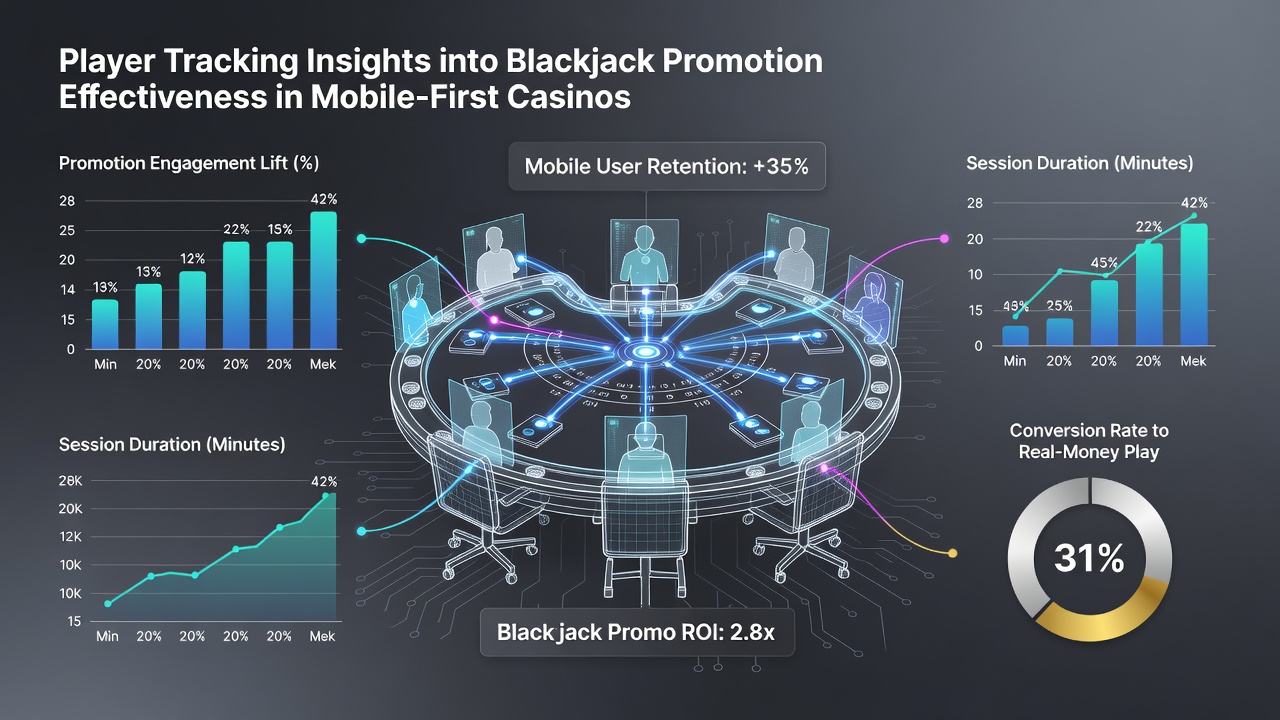
Mobile platforms integrate tracking tools that monitor real-time actions such as card decisions, average bet amounts, and time spent on tables, which allows operators to measure promotion impact without relying on self-reported surveys. Researchers at institutions like the University of Nevada, Reno have documented that these tools reveal retention spikes of up to 35 percent within the first 48 hours after a targeted blackjack reload bonus activates, and the data further breaks down by device type to show iOS users often complete wagering requirements faster than Android users due to interface differences.
Systems also flag when players abandon tables after a promotion ends, creating clear maps of lifecycle effectiveness from activation through fulfillment. Observers note that June 2026 updates to several major platforms introduced enhanced API connections that link tracking data across multiple casino apps, enabling operators to see whether a blackjack promotion in one environment carries over to sustained play in another.
Key Metrics That Emerge From the Data
Conversion rates stand out as one of the clearest indicators, with figures revealing that no-deposit blackjack chips convert at around 22 percent when delivered through push notifications on mobile devices. Average bet sizing tends to increase by 18 percent during active promotion windows, yet the same data shows this bump fades within three days unless followed by a secondary incentive. Retention curves demonstrate that players who receive personalized offers based on prior blackjack volume stay active 40 percent longer than those given standard welcome packages.
Deposit frequency provides another layer of insight, and tracking logs indicate that cashback loops tied to blackjack losses prompt quicker follow-up deposits than flat percentage matches. One analysis of aggregated platform data found that promotions requiring 20x wagering on blackjack specifically produced higher fulfillment rates than those allowing mixed game play, because players naturally gravitate toward lower house-edge options when requirements feel achievable.
Geographic and Demographic Patterns in Promotion Response
Tracking data sorted by region shows that players in regulated markets such as those overseen by the Malta Gaming Authority respond more consistently to time-limited blackjack tournaments than users in less structured environments. Age brackets matter as well, with the 25-to-34 cohort displaying the strongest lift from mobile-exclusive free spin bundles attached to blackjack deposits, while older segments show steadier engagement with cashback structures that reduce perceived risk.
Session length analysis further highlights that mobile-first users who trigger a promotion mid-session extend their play by an average of 12 minutes compared to desktop counterparts, suggesting that instant notifications keep attention focused on the tables. These patterns hold across multiple operators, and the consistency allows platforms to refine offer timing without broad A/B testing.
Connections Between Tracking Insights and Promotion Design
Operators use the accumulated information to adjust bonus structures, for instance by scaling deposit matches according to a player's historical blackjack volume rather than applying uniform offers. This approach has led to measurable improvements in fulfillment rates, with one dataset indicating a 27 percent rise in completed wagering when offers matched individual play history. Tracking also uncovers drop-off points where players hit requirements but then disengage, prompting the addition of small follow-up incentives that maintain momentum.
Cross-platform tracking reveals that blackjack promotions perform best when they integrate with loyalty ladders, because players who see visible progress toward the next tier maintain higher bet volumes throughout the promotional period. Data from sources such as the Australian Gambling Research Centre supports the observation that mobile environments amplify these effects through seamless push integration, creating tighter feedback loops between offer delivery and player response.
Conclusion
Player tracking continues to supply operators with granular evidence about which blackjack promotions drive sustained participation in mobile-first settings. The metrics point toward targeted, history-based offers as more effective at extending engagement than generic incentives, and the patterns emerging from June 2026 data sets suggest that integrated tracking across apps will further refine these strategies. As systems evolve, the focus remains on measurable outcomes rather than assumptions about player preferences.