The Overlooked Connection Between Blackjack Hand History Data and Tailored Bonus Recommendations in Online Environments

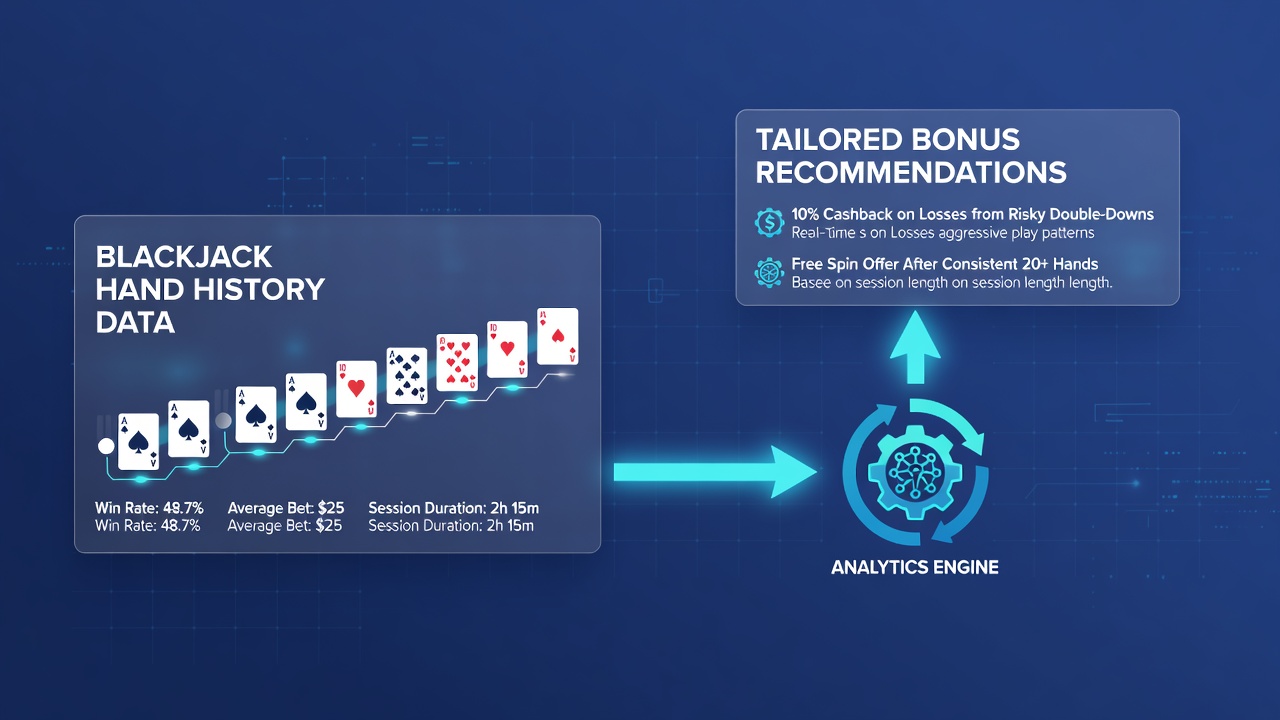
Online blackjack platforms collect detailed hand history data that includes bet sizes, win rates, session lengths, and decision patterns, then feed those records into systems that generate personalized bonus offers, and this process operates quietly behind the scenes in most digital card rooms. Hand history reveals whether a player tends toward conservative minimum bets or aggressive doubling strategies, while algorithms match those tendencies to specific promotions such as cashback percentages or deposit match tiers. Data shows that platforms began refining these connections more aggressively after July 2026 when several jurisdictions updated their responsible gaming reporting requirements, forcing operators to document how player behavior influences incentive structures.
How Hand History Feeds into Bonus Algorithms
Player tracking systems record every hand dealt in real time, storing metrics like average wager per round, frequency of insurance bets, and surrender rates, and these datasets allow platforms to segment users into categories that trigger different bonus types. One study from the University of Nevada Las Vegas examined transaction logs across multiple sites and found that players with high-volatility hand patterns received more frequent reload offers, whereas steady low-stakes participants saw increased cashback rates. The algorithms adjust recommendations dynamically, so a sudden shift in bet sizing during a session can prompt an immediate tailored message about available match bonuses. Observers note that this linkage reduces generic promotions that fail to engage specific player groups and instead directs offers toward documented preferences visible in the hand records.
Regional Regulatory Influences on Data Use
Regulatory bodies in different markets shape how hand history connects to bonuses, with the Nevada Gaming Control Board requiring detailed audit trails for any incentive tied to behavioral data, while Malta's gaming authority mandates transparency reports that list the criteria used for personalization. In July 2026 several Canadian provinces introduced similar disclosure rules that compelled operators to explain bonus eligibility based on historical play metrics. These requirements mean platforms must retain hand records for set periods and demonstrate that recommendations align with actual activity rather than broad assumptions. Industry reports from the European Gaming and Betting Association indicate that operators who link bonuses directly to verified hand data achieve higher retention rates across tested cohorts, although exact figures vary by jurisdiction and platform size.
Practical Examples from Platform Operations
Consider a player whose hand history shows frequent splits on pairs yet limited doubling down; systems often flag this profile for bonuses that reward multi-hand play or reduced house-edge side bets. Another case involves users who maintain long sessions with consistent minimum wagers, and those records typically generate cashback loops scaled to total hands played rather than win amounts. Platforms integrate these insights through dashboards that display both historical summaries and suggested promotions, allowing users to see the data points behind each offer. Research indicates that when players receive bonuses matched to their documented patterns, completion rates for wagering requirements rise compared with untargeted campaigns. The connection extends across mobile and desktop environments, where synchronized hand logs ensure consistent recommendations regardless of device.
Technical Mechanisms Behind Personalization
Modern systems employ machine learning models trained on aggregated hand histories to predict which bonus structures will sustain participation, and these models update weekly as new data arrives. Variables such as time between hands, variance in wager amounts, and response to previous offers all contribute to the scoring process that determines eligibility. Platforms store this information in secure databases that comply with data protection standards, then query the records whenever a user logs in or completes a deposit. Figures from industry analyses reveal that personalization driven by hand history reduces bonus abuse by identifying patterns associated with bonus hunting behavior and limiting exposure for those accounts. The result appears in more precise offer timing, with messages arriving after sessions that match predefined criteria rather than on fixed schedules.
Future Developments in Data-Driven Incentives
Continued advances in real-time analytics suggest that hand history integration will expand to include cross-session comparisons and predictive modeling for upcoming bonus cycles. Regulators continue to examine these practices, and operators respond by publishing clearer explanations of how historical data influences recommendations. Academic papers on behavioral tracking in gaming environments highlight the need for ongoing validation that algorithms remain accurate as player populations shift. Those who've examined multiple platforms report that the most effective systems combine hand-level detail with broader account metrics, creating layered profiles that support both short-term and loyalty-based offers. This ongoing refinement keeps the connection between recorded play and tailored incentives central to online blackjack operations.
Conclusion
Hand history data serves as the foundation for many tailored bonus systems in online blackjack environments, with platforms using recorded patterns to match incentives to actual player behavior. Regulatory updates around July 2026 reinforced the need for transparent documentation of these linkages, while technical tools continue to improve the precision of recommendations. The process relies on objective metrics drawn from every hand played, and operators maintain these connections across devices and jurisdictions to support engagement without relying on generic promotions.