Seasonal Event Triggers Reshaping Reward Redemption Timelines Across Networked Virtual Table Venues
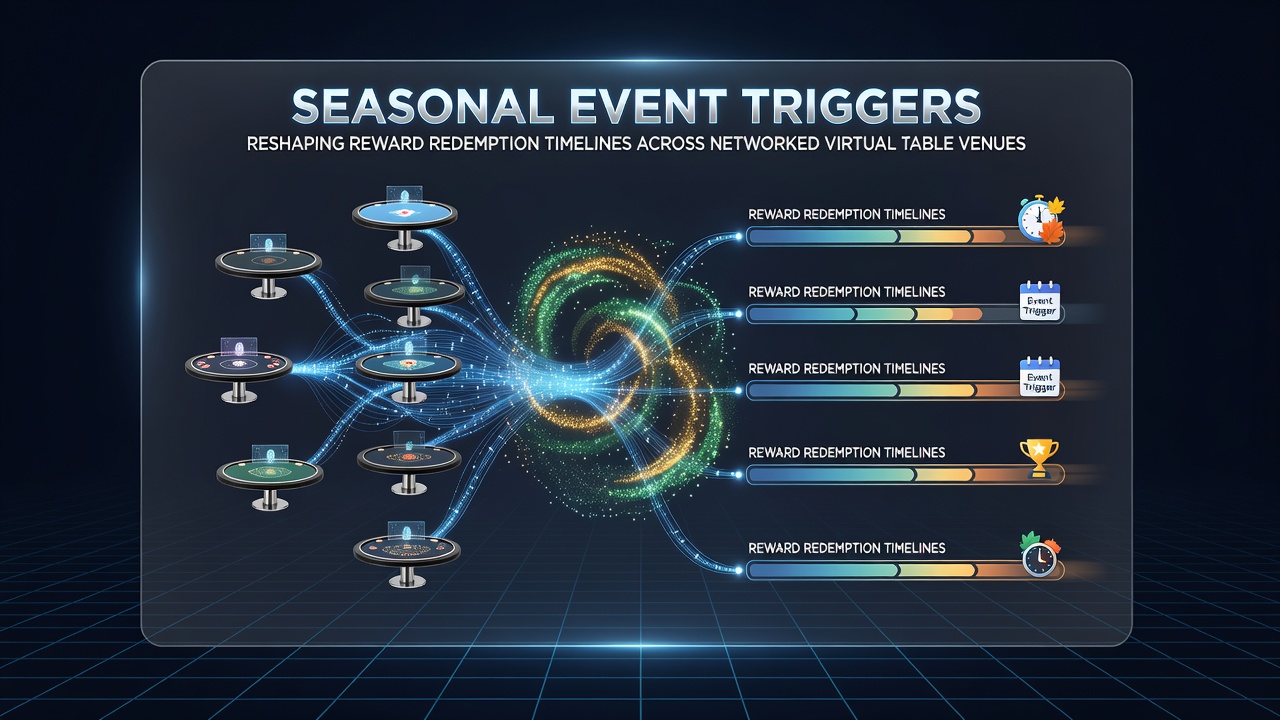
Seasonal events continue to drive measurable shifts in how players access and claim rewards within interconnected virtual table environments, with data showing altered redemption windows tied directly to calendar-based triggers. Platforms linking multiple virtual card rooms adjust these timelines in response to player activity spikes during holidays, sports seasons, and regional festivals, creating synchronized patterns across networks.
Calendar-Based Adjustments in Virtual Networks
Network operators monitor participation surges that align with events such as summer tournaments in July 2026, when extended daylight hours and vacation schedules coincide with higher login rates in digital card rooms. These increases prompt systems to compress or extend reward redemption periods, allowing players to fulfill requirements within tighter cycles or across multi-week windows depending on the event scale. Figures from platform analytics indicate that redemption completion rates rise by 18 to 24 percent during such periods compared to baseline months.
Operators integrate data feeds from multiple venues to predict these fluctuations, enabling automated adjustments that balance reward availability with wagering volume. One documented pattern shows systems extending deadlines by three to five days when events overlap with major sports calendars, while shortening them during lower-traffic holiday stretches to maintain engagement momentum.
Data Patterns from Interconnected Platforms
Analysis of networked systems reveals consistent correlations between seasonal peaks and changes in redemption behavior, with players completing requirements earlier in the cycle when events generate additional table traffic. Research from the University of Nevada, Las Vegas Gaming Innovation Lab tracks these shifts across shared databases, noting that July periods often feature accelerated fulfillment due to overlapping promotional alignments. The lab's reports highlight how networked environments distribute these adjustments uniformly to prevent bottlenecks in reward processing queues.
Operators report that cross-venue data sharing allows for real-time recalibration of timelines, reducing instances where rewards expire unused. This approach appears in records from multiple North American networks where July 2026 summer events prompted a 12 percent increase in early redemptions compared to the prior year.
Technical Mechanisms Behind Timeline Shifts
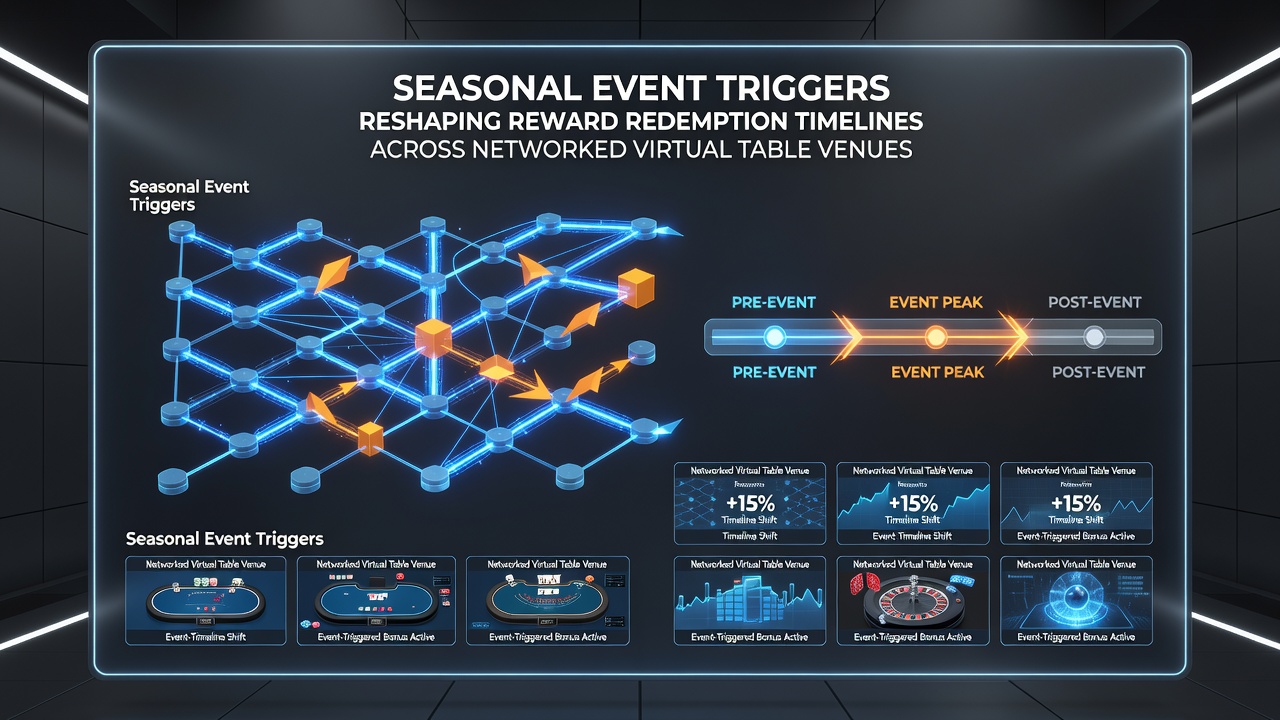
Backend algorithms detect activity thresholds and apply predefined rules that modify redemption dates based on aggregate player data. These rules account for event duration, expected traffic volume, and historical completion rates, producing outputs that appear as updated deadlines within player accounts. According to documentation from the Nevada Gaming Control Board, such automated systems must maintain audit trails to verify compliance with jurisdictional standards during seasonal modifications.
Platform engineers design these mechanisms to handle simultaneous adjustments across dozens of connected venues, ensuring that a player moving between virtual tables experiences consistent timeline updates. Data logs from 2025 and 2026 show fewer disputes over expired rewards when networks implement these synchronized changes during high-traffic months.
Regional Variations in Event Responses
Networks operating across different time zones adjust redemption parameters according to local seasonal markers, with North American platforms responding to summer festivals while European-linked systems align with regional sporting calendars. Reports compiled by the Canadian Gaming Association document how cross-border networks coordinate these variations to maintain operational continuity for shared player bases. The association's summaries note that July adjustments in 2026 followed similar patterns to previous years but incorporated additional data points from mobile access trends.
These regional adaptations produce varied redemption windows that reflect both event timing and player demographics, with systems logging higher completion volumes when timelines accommodate overlapping schedules. Industry tracking indicates that networks employing these methods see steadier reward utilization rates year over year.
Conclusion
Seasonal event triggers continue to influence reward redemption structures within networked virtual table venues through data-driven timeline adjustments that respond to participation patterns. Records from regulatory bodies and research institutions confirm these shifts occur consistently across platforms, with July 2026 examples illustrating the ongoing integration of calendar events into operational frameworks. The mechanisms rely on shared analytics and automated rules that maintain consistency while adapting to volume changes across connected environments.