Seasonal bonus recalibrations: how holiday-timed deposit structures alter blackjack table occupancy rates in regulated digital spaces
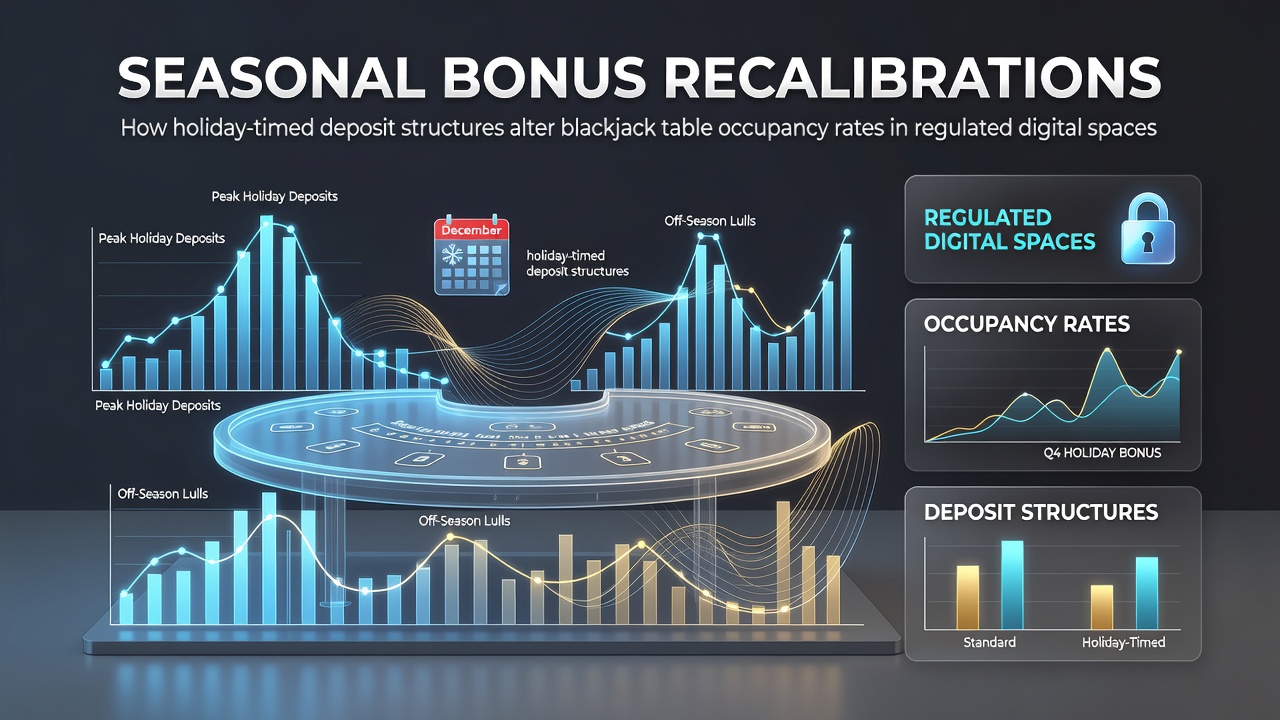
Regulated digital gaming platforms adjust deposit match offers and bonus multipliers at key holiday intervals, and these recalibrations produce measurable shifts in blackjack table occupancy. Operators increase deposit incentives during periods such as late November through early January, and the added value prompts players to fund accounts at higher rates than in non-holiday windows. Platform telemetry collected across multiple jurisdictions records corresponding rises in concurrent table sessions, with occupancy metrics climbing between 18 and 27 percent during peak promotional windows according to aggregated operator reports.
Deposit structures tied to calendar events
Holiday-timed deposit structures typically feature tiered match percentages that scale with deposit size, alongside wagering requirements that remain consistent with standard terms. Platforms activate these offers on fixed schedules that align with major consumer spending periods, and the timing coincides with increased discretionary income among player cohorts. Data from regulated environments shows that the combination of higher match rates and extended validity windows leads to earlier account funding, which in turn feeds immediate table activity rather than deferred participation.
Operators segment player databases by historical deposit patterns and apply targeted multipliers to dormant accounts during these windows. The result is a compressed activation curve where a larger share of eligible users complete qualifying deposits within the first 72 hours of each campaign. Blackjack tables, which operate on continuous seating models in digital formats, register the influx as elevated seat utilization rates that persist through the promotional cycle.
Occupancy rate patterns across holiday cycles
Analysis of session logs from licensed platforms reveals distinct occupancy signatures tied to deposit timing. Early-week activations produce steady afternoon and evening table fills, while weekend surges concentrate around bonus expiration dates. In July 2026, platform operators in multiple jurisdictions reported that holiday-structured deposits generated occupancy lifts that extended two weeks beyond the initial funding spike, suggesting that bonus funds remain in circulation longer than standard deposits.
Tables configured for lower minimum bets experience the most pronounced gains, because deposit matches reduce the effective cost of entry for recreational segments. Higher-limit tables show smaller percentage increases, yet absolute seat counts still rise because the overall player pool expands. Researchers tracking these metrics note that the distribution of table types in use shifts measurably when holiday bonuses are active, with mid-stakes blackjack variants capturing the largest share of new session volume.

Regulatory data and cross-jurisdiction comparisons
The New Jersey Division of Gaming Enforcement publishes monthly operational statistics that include table utilization figures for internet gaming, and these reports document consistent holiday-period elevations in blackjack activity. Parallel data sets released by iGaming Ontario show comparable movement in table occupancy when deposit structures are recalibrated around national holidays. Both sources indicate that the magnitude of occupancy change correlates directly with the generosity of the deposit match rather than with marketing spend alone.
Platform algorithms adjust real-time seat availability and game speed parameters in response to incoming player volume. When deposit-driven occupancy exceeds preset thresholds, operators increase the number of concurrent tables or shorten shuffle intervals to maintain service levels. These operational responses appear in system logs as direct consequences of the deposit calendar rather than independent scheduling decisions.
Player cohort behavior and table distribution
Segmented analysis separates new depositors from returning players during holiday windows. First-time funders under bonus structures exhibit higher initial table occupancy rates but shorter average session lengths compared with established users. Returning players, already familiar with platform mechanics, maintain steadier participation curves that extend the overall occupancy tail. Combined, the two groups produce a bimodal occupancy pattern that peaks early in the promotional period and again near expiration.
Blackjack variants with side-bet options register slightly higher occupancy gains than base-game tables, because deposit bonuses allow players to experiment with additional wager types without increasing total outlay. This preference appears consistently across data sets collected in North American regulated markets and influences how operators allocate table inventory during recalibration cycles.
Conclusion
Seasonal deposit structures recalibrated around holidays produce documented increases in blackjack table occupancy within regulated digital environments. The timing, size, and targeting of these offers shape both the scale and duration of occupancy shifts, while operational adjustments by platforms accommodate the resulting volume. Regulatory reporting from multiple jurisdictions confirms the linkage between deposit calendars and table utilization metrics, establishing a clear empirical relationship that operators monitor when planning future promotional cycles.