Navigating Cumulative Reward Structures Across Interconnected Blackjack Platforms in the Digital Space
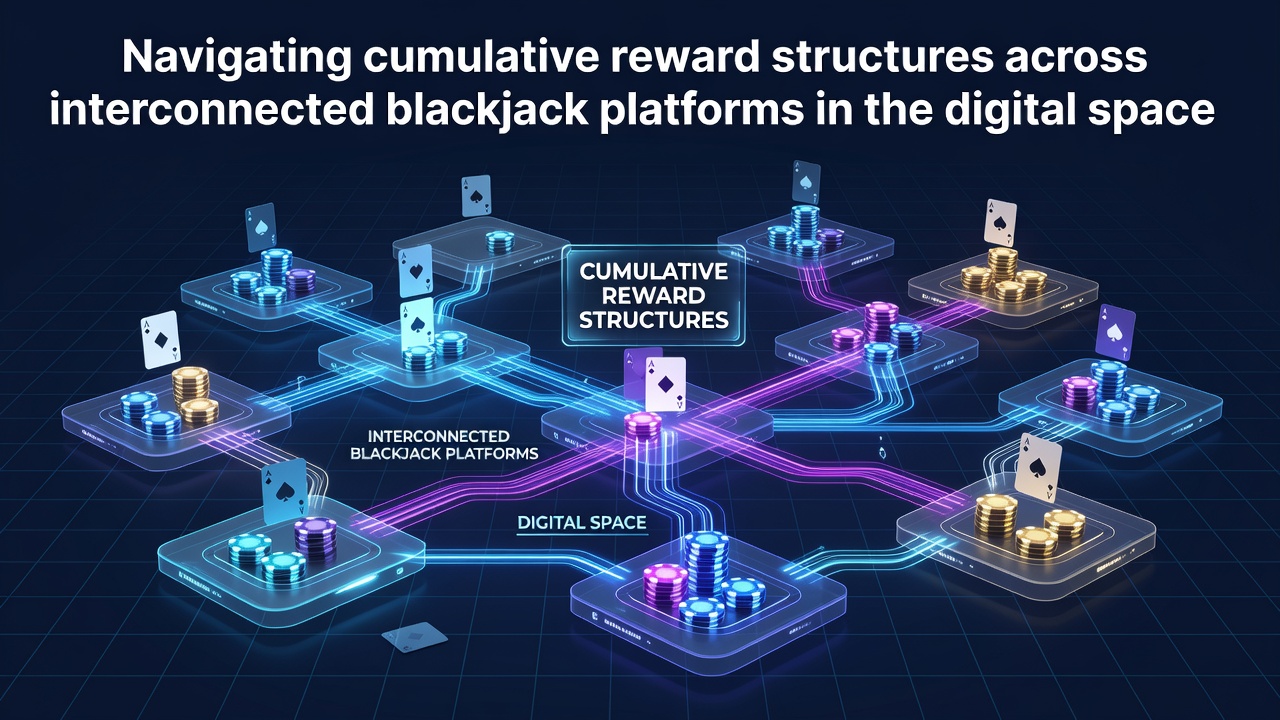
Digital blackjack environments have developed layered reward systems that allow points and bonuses to build across multiple connected platforms rather than remaining isolated to single sites, and operators have integrated these structures to encourage continued play while complying with varying regional rules. Players encounter cumulative mechanisms where wagering activity on one platform feeds into a shared ledger visible on affiliated networks, creating pathways that span desktop sites, mobile applications, and partnered virtual card rooms.
Platform Interconnections and Point Aggregation
Operators establish partnerships that link separate blackjack offerings through centralized tracking systems, so activity completed on a primary platform transfers directly into reward pools accessible on secondary sites without requiring separate registrations in many cases. Data from industry reports shows these connections often rely on shared player identifiers that persist across jurisdictions, allowing totals to accumulate in real time as hands resolve. Those who study digital gaming patterns note that aggregation rules differ by region, with some networks capping transferable amounts while others permit full carryover provided certain verification steps complete successfully.
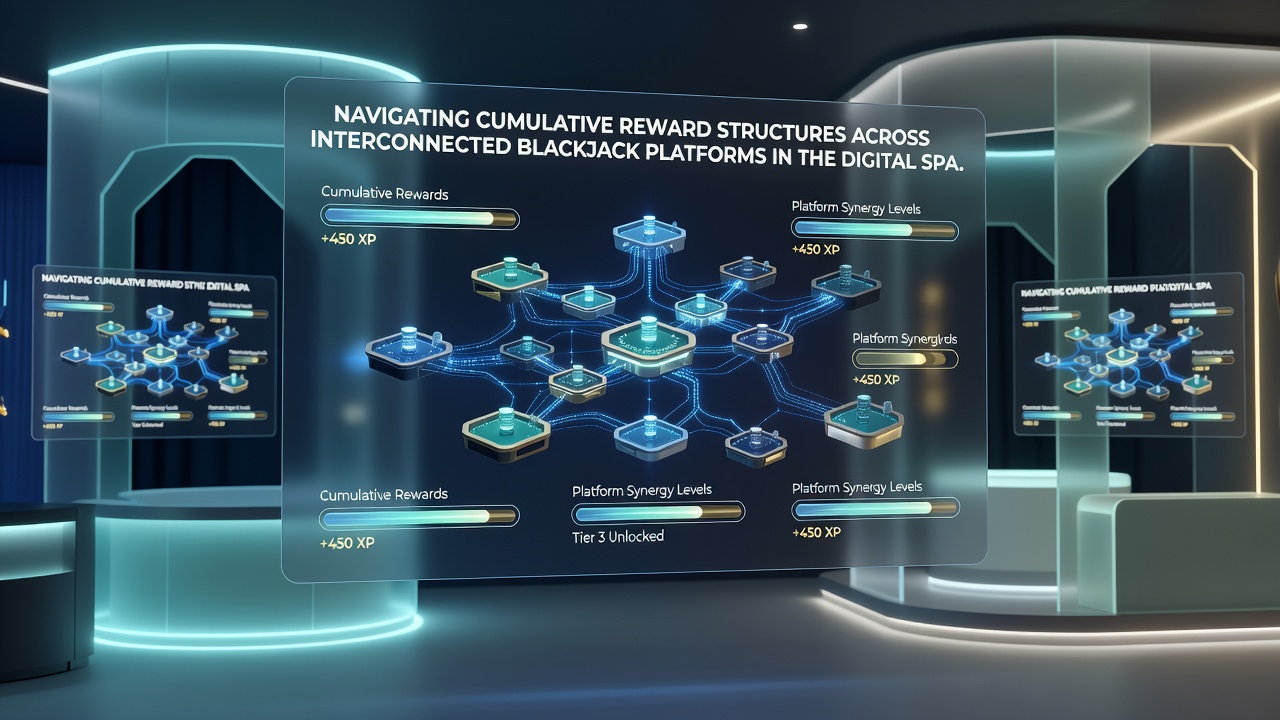
Interconnected systems frequently employ tiered multipliers that activate once cumulative thresholds reach defined levels, and a player who reaches a mid-tier status on one platform automatically unlocks enhanced rates on linked environments. Research indicates such designs emerged prominently after 2023 as operators sought to retain engagement amid expanding competition, and by June 2026 several major networks had expanded cross-platform visibility features to include real-time dashboards displaying combined balances.
Types of Cumulative Structures in Use
Reward frameworks generally fall into three categories observed across major operators: linear accumulation where every wager adds equal value regardless of platform, accelerated models that grant bonus increments after crossing volume milestones on any connected site, and hybrid systems blending both approaches with seasonal adjustments. Linear models simplify tracking because totals rise steadily without conditional triggers, whereas accelerated versions introduce variability based on participation dates or game variants chosen. Hybrid structures appear most often in networks spanning multiple countries because they accommodate differing tax treatments and licensing conditions.
Examples include programs where cashback percentages climb from 0.5 percent to 2 percent once aggregate monthly wagers exceed set amounts, and these percentages apply uniformly across affiliated blackjack tables. Observers note that tournament entries sometimes convert into loyalty points that feed the same cumulative pool, extending the lifecycle of rewards beyond standard cash games.
Regulatory Considerations Across Regions
Regulatory bodies monitor these interconnected structures to ensure compliance with anti-money laundering requirements and responsible gaming standards, and jurisdictions such as those overseen by the Nevada Gaming Control Board maintain specific reporting mandates for cross-platform point transfers. In Canada, provincial authorities require operators to disclose how cumulative balances convert when players move between licensed domains, while Australian state regulators focus on transparency around expiration policies tied to aggregated totals. European frameworks, including guidelines from the Malta Gaming Authority, emphasize clear disclosure of transfer mechanics to prevent confusion when platforms operate under separate licenses yet share reward ledgers.
Studies from university gaming research centers, including work published by the University of Nevada, Las Vegas International Gaming Institute, document how these rules influence platform design choices and player migration patterns between networks. Figures reveal that jurisdictions updating rules in early 2026 introduced requirements for periodic balance reconciliations, which operators implemented through automated audit trails visible to both players and regulators.
Player Navigation Strategies and Platform Features
Users navigate these systems by maintaining verified accounts that synchronize across platforms, and many networks provide unified portals where individuals review combined histories and projected reward progress. Features such as exportable transaction logs and milestone alerts help track accumulation without manual calculations, while some operators integrate third-party analytics tools that forecast tier advancement based on recent activity levels. Those who examine player behavior data find that individuals who distribute wagers across multiple linked sites reach higher tiers faster than those concentrating activity on single platforms, provided the network permits such distribution under its terms.
Case examples from operator reports illustrate how cumulative structures affect session planning, with players timing larger wagers to coincide with multiplier events that apply network-wide. External data from the American Gaming Association indicates that networks offering seamless cross-platform visibility report higher average session durations compared with isolated systems, although exact causation remains under ongoing analysis.
Technical Implementation and Data Management
Behind the scenes, application programming interfaces connect disparate blackjack engines so that each resolved hand updates a central database accessible to all affiliated platforms, and encryption protocols protect the integrity of point ledgers during transfers. Operators employ machine learning models to detect irregular accumulation patterns that might signal policy violations, and these models adjust in response to regulatory updates issued through mid-2026. Maintenance schedules for these systems typically occur during low-traffic periods to minimize disruption for active users.
Conclusion
Cumulative reward structures across interconnected blackjack platforms continue to evolve as operators refine integration methods and regulators refine oversight frameworks, and participants benefit from understanding how points aggregate, transfer, and expire within these networks. By June 2026 the landscape featured expanded dashboard tools and clearer disclosure practices that support informed navigation while maintaining compliance across regions. Data from industry associations and academic sources shows sustained interest in these mechanisms as digital blackjack environments grow more interconnected.