Mapping Blackjack Player Journeys Through Escalating Reward Tiers in Virtual Gaming Spaces
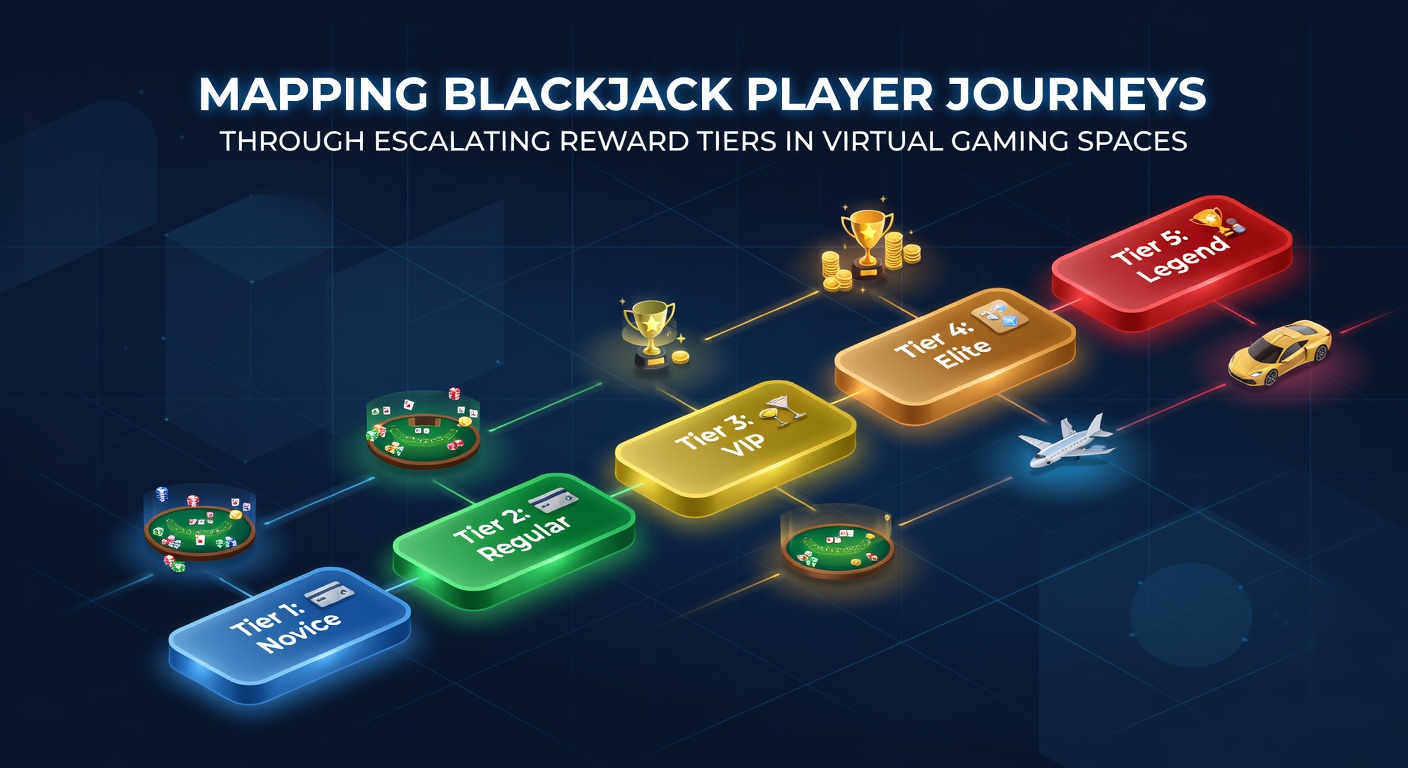
Virtual gaming platforms track blackjack participants through structured reward tiers that escalate based on cumulative activity, and analysts map these journeys using behavioral data points collected from login patterns to wager volumes. Researchers have documented how entry-level participants often start in basic tiers before advancing through performance milestones that unlock higher benefits, while platform algorithms adjust progression thresholds according to regional player demographics and session frequencies.
Core Elements of Tiered Progression Systems
Blackjack operators in virtual spaces implement tier structures that begin with introductory levels offering standard cashback rates and move upward to premium categories with personalized table access and accelerated point multipliers. Data from industry reports shows players typically require between 500 and 2000 hands played per month to advance one tier, depending on the platform's specific wagering formulas and the average bet size maintained throughout sessions. Observers note that these systems integrate real-time analytics to predict when an individual might reach the next reward bracket, allowing automated notifications that encourage continued engagement without disrupting gameplay flow.
Behavioral Mapping Techniques in Digital Environments
Analytics teams employ journey mapping tools that visualize player movement across reward stages by combining metrics such as time spent at virtual tables, frequency of side bets, and responses to promotional triggers. According to findings from the American Gaming Association, virtual blackjack environments generated over 18 billion hands in tracked sessions during 2025, providing datasets that reveal distinct pathways where recreational players cluster in mid-tier brackets while high-volume participants accelerate toward top levels within three to six months. These maps also highlight drop-off points where participants stall due to inconsistent play schedules, prompting platforms to introduce targeted incentives that reconnect users with ongoing tier benefits.
Regional Variations in Reward Escalation
Platforms operating under different regulatory frameworks adjust tier requirements to align with local guidelines, and data indicates European operators often emphasize responsible play thresholds within their progression models compared to North American counterparts. In May 2026, several major virtual gaming providers introduced enhanced cross-border tracking features that synchronize player histories across multiple jurisdictions, enabling smoother transitions when participants relocate or switch devices. Studies from research institutions like the University of Nevada, Reno have examined how these synchronized systems affect retention rates, revealing that mapped journeys with visible milestone markers correlate with 22 percent longer average player lifecycles in monitored cohorts.

One documented case involved a European virtual casino network that restructured its tier benefits after reviewing journey analytics, resulting in clearer pathways from silver to gold status through combined blackjack and ancillary game participation. Experts have observed that such adjustments reduce friction points where players previously lost momentum, and the updated model incorporated seasonal adjustments that account for fluctuating engagement during holiday periods or major sporting events that draw attention away from card tables.
Integration of Emerging Technologies
Virtual reality interfaces and artificial intelligence overlays now contribute additional layers to journey mapping by recording spatial navigation within digital card rooms alongside traditional wager tracking. Reports from gaming technology summits indicate that these tools allow operators to identify micro-patterns, such as hesitation before high-stakes decisions or preferences for certain dealer avatars, which then inform personalized tier advancement offers. Participants who engage with these immersive features often demonstrate accelerated progression because the enhanced feedback loops make reward milestones feel more immediate and attainable.
Conclusion
Comprehensive mapping of blackjack player journeys through escalating reward tiers continues to evolve alongside advances in data collection and virtual platform capabilities, with operators refining their models based on aggregated behavioral evidence from diverse global markets. The integration of synchronized tracking across regions supports more consistent progression experiences while maintaining compliance with varying regulatory standards, and ongoing analysis in 2026 points toward further refinements that prioritize both retention metrics and player satisfaction indicators derived from session data.