Layered Reward Pathways Reshaping Blackjack Engagement Through Integrated Tournament Leaderboards and Cross-Device Accumulation Tools
 Data from platform operators shows layered reward pathways now combine tournament leaderboards with cross-device accumulation tools to structure player progression in blackjack environments, and these systems track participation metrics across sessions while awarding points that persist regardless of device switches. Observers note the architecture links real-time competitive rankings to persistent reward ledgers, which allows participants to move between mobile, tablet, and desktop interfaces without resetting accumulated balances.
Mechanics of Integrated Tournament Leaderboards
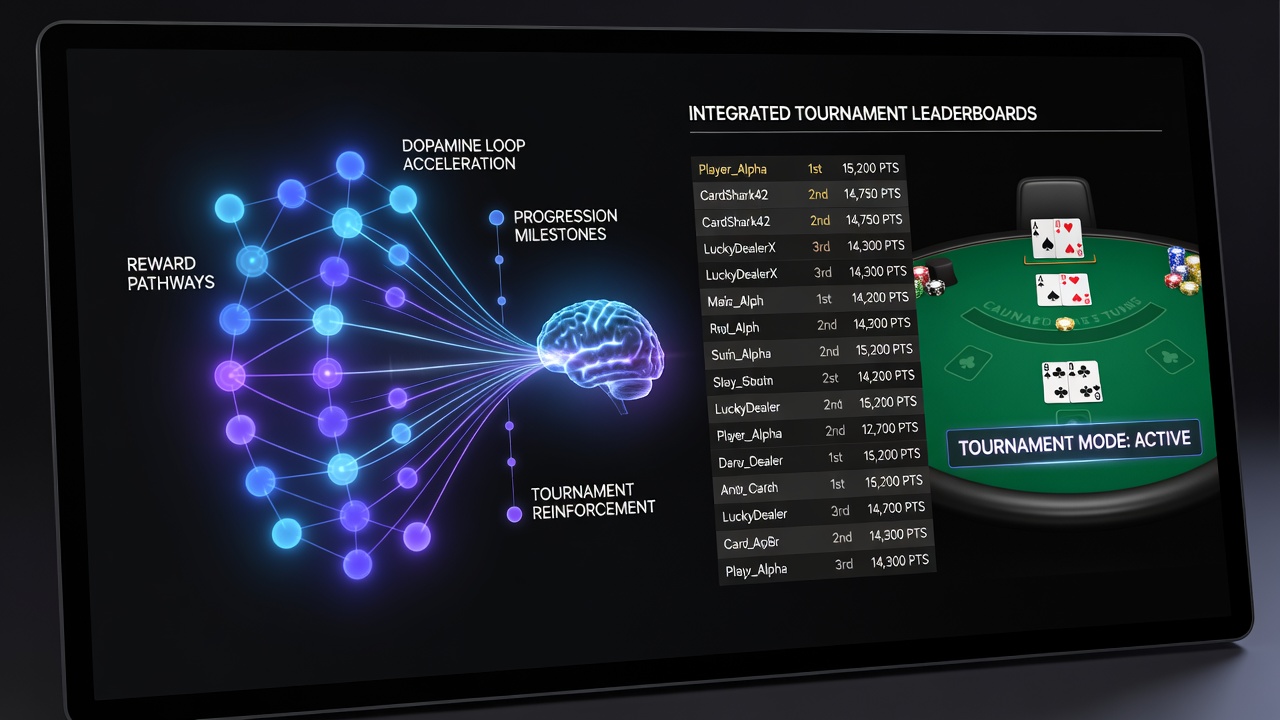
Tournament leaderboards in these setups record hand outcomes, bet volumes, and session durations to generate ranked positions updated at intervals ranging from every five minutes to hourly cycles, and data indicates that points earned during ranked events feed directly into layered tiers where higher placements unlock additional accumulation multipliers. Researchers have documented cases where platforms synchronize leaderboard resets with weekly or monthly cycles, yet cross-device tools maintain historical totals so that prior performance continues to influence reward eligibility even after a reset occurs.
One platform analysis covering operations through June 2026 revealed that blackjack-specific tournaments accounted for 34 percent of total leaderboard entries across monitored sites, and those entries correlated with extended session lengths when accumulation tools permitted seamless point carryover between devices. The structure operates by converting in-game actions into standardized units that populate both the visible leaderboard and the hidden accumulation ledger simultaneously.
Cross-Device Accumulation Tools and Their Role
Cross-device accumulation tools rely on account-linked identifiers that log activity regardless of access point, which means a participant who begins a session on a smartphone can continue earning toward the same tier thresholds after switching to a desktop terminal. Studies of similar systems indicate that synchronization protocols update balances within seconds of a device transition, reducing the incidence of points lost to session interruptions.
Platforms deploy these tools through cloud-based ledgers that interface with both tournament modules and standard play trackers, and figures from operator reports show average reward balance retention rates above 92 percent when players switch devices mid-session. This continuity supports the layered pathway model because each tier requires cumulative thresholds that span multiple sessions rather than isolated events.
Observed Patterns in Player Progression
Patterns documented in industry datasets show that players who engage with both leaderboards and accumulation tools reach higher reward tiers at faster rates than those using either feature in isolation, and the difference appears in metrics such as average hands played per week. Data collected through June 2026 indicates a 27 percent increase in weekly participation volume among accounts utilizing synchronized systems compared with baseline accounts tracked in the same period.
Regulatory filings from the Nevada Gaming Control Board describe how these combined mechanisms require operators to maintain audit logs of point transfers across devices to ensure compliance with payout verification standards. Similar requirements appear in documentation from the Alcohol and Gaming Commission of Ontario, which mandates transparency in how leaderboard rankings convert to tangible rewards.
Technical Integration Across Platforms
Technical integration occurs through APIs that connect game servers with central reward databases, allowing tournament results to populate accumulation accounts in real time while also feeding historical data for tier calculations. Developers have implemented redundancy protocols that preserve point integrity during network handoffs between devices, and testing logs indicate failure rates below 0.3 percent for balance synchronization events.
Industry reports from the American Gaming Association note that platforms adopting these layered systems often allocate dedicated server resources to handle simultaneous leaderboard queries and accumulation updates, which maintains performance during peak traffic periods. The architecture supports scalability because the same ledger serves both competitive and standard play modes without requiring separate tracking infrastructures.
Future Developments in Reward Layering
Analyses through mid-2026 project continued expansion of these integrated systems as operators add new variables such as streak multipliers and community challenge bonuses that feed into the same accumulation framework. Operators continue to refine synchronization speeds and expand device compatibility lists, yet the core model remains centered on persistent ledgers that convert diverse blackjack activities into unified reward progressions.
Conclusion
Layered reward pathways built on tournament leaderboards and cross-device accumulation tools now form a measurable component of blackjack engagement tracking, with data showing consistent correlations between system adoption and participation volume. Regulatory bodies in multiple jurisdictions continue to monitor these mechanisms for compliance, while platform operators refine the technical connections that keep points and rankings aligned across sessions and devices. The model demonstrates how competitive elements and persistent tracking combine to structure progression without requiring separate reward streams for each activity type.