Inside the Algorithms: Personalized Blackjack Incentives Powered by Player Behavior Tracking in Online Platforms
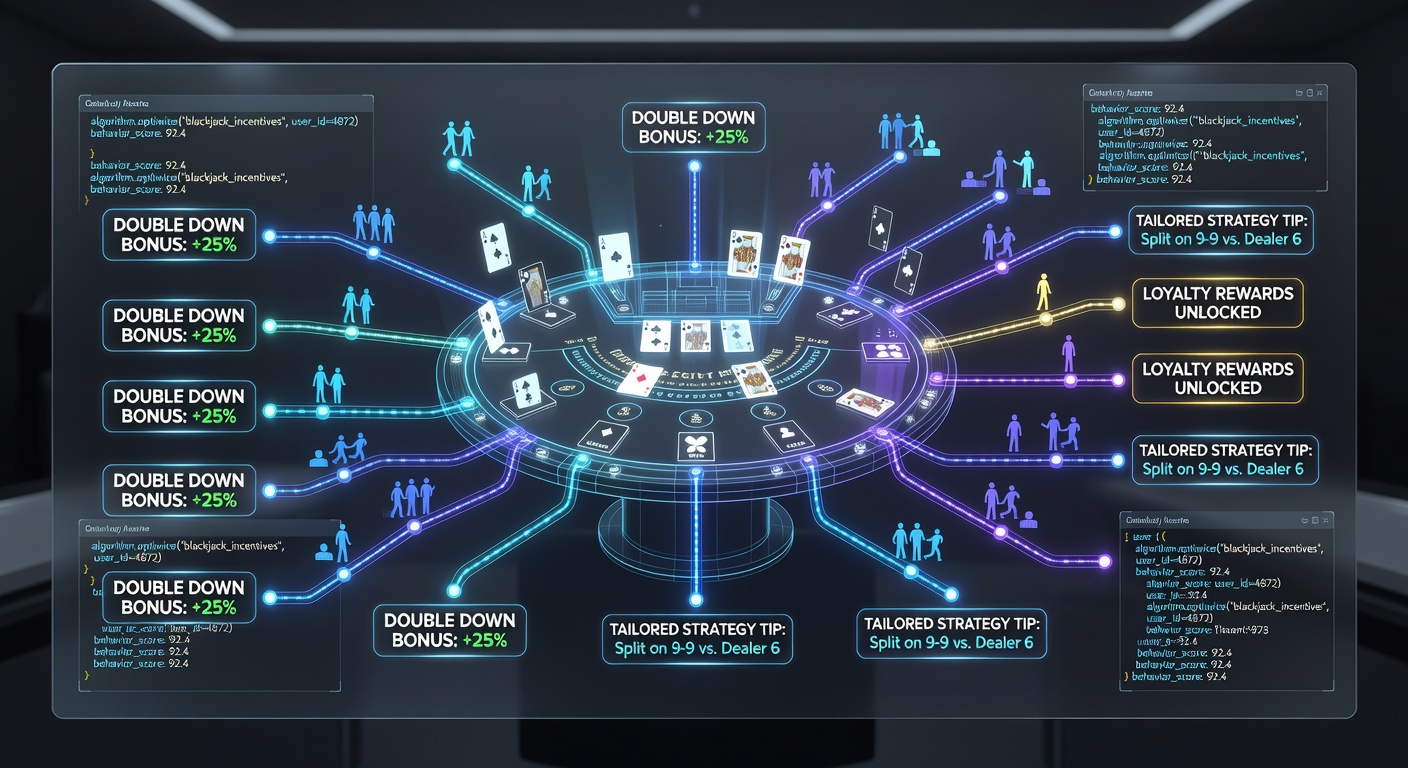
Online platforms have developed sophisticated algorithms that analyze extensive player data to generate tailored blackjack incentives, and these systems draw from metrics such as session duration, bet sizing patterns, and frequency of play across virtual card rooms. Data collection occurs through integrated software that logs every hand dealt, decision made, and outcome recorded, which then feeds into machine learning models designed to predict future engagement levels. Researchers at various institutions have documented how these models process real-time inputs to adjust reward structures dynamically.
Data Collection Mechanisms in Virtual Card Rooms
Platforms capture behavioral signals through multiple channels including device identifiers, login timestamps, and in-game choices that reveal preferences for specific blackjack variants or side bets. These inputs accumulate into individual profiles that evolve with each interaction, allowing systems to segment users based on observed activity clusters rather than static categories. According to reports from the Nevada Gaming Control Board, regulatory frameworks in certain jurisdictions require transparency around data usage while permitting operators to refine their analytical tools for retention purposes.
Tracking extends beyond basic win-loss ratios to encompass timing between decisions and responses to previous offers, which helps algorithms distinguish between casual participants and those exhibiting higher engagement thresholds. In June 2026 updates to compliance standards across multiple regions emphasized audit trails for these datasets, ensuring that personalization engines operate within established boundaries for responsible gaming protocols.
Algorithmic Personalization Processes
Machine learning frameworks evaluate historical patterns to forecast which incentive types might align with a player's trajectory, such as matching deposits after extended losing streaks or offering free hands following consistent high-volume sessions. These calculations rely on clustering techniques that group similar behavioral profiles and apply weighted variables to determine offer eligibility and magnitude. Observers note that the process operates continuously, updating predictions as new data streams arrive during active play.
One documented approach involves reinforcement learning components that test small variations in incentive delivery and measure subsequent response rates, refining future outputs accordingly. Studies from academic sources indicate that such iterative adjustments have led to measurable shifts in average session lengths across tracked cohorts, though outcomes vary by platform implementation and regional player demographics.
Integration with Player Journey Mapping
Behavior tracking feeds into broader journey models that map progression from initial registration through repeated visits, identifying inflection points where customized blackjack incentives can influence continued participation. Algorithms assign scores based on accumulated activity and project potential lifetime value, which guides the timing and content of personalized promotions without manual intervention from platform staff.
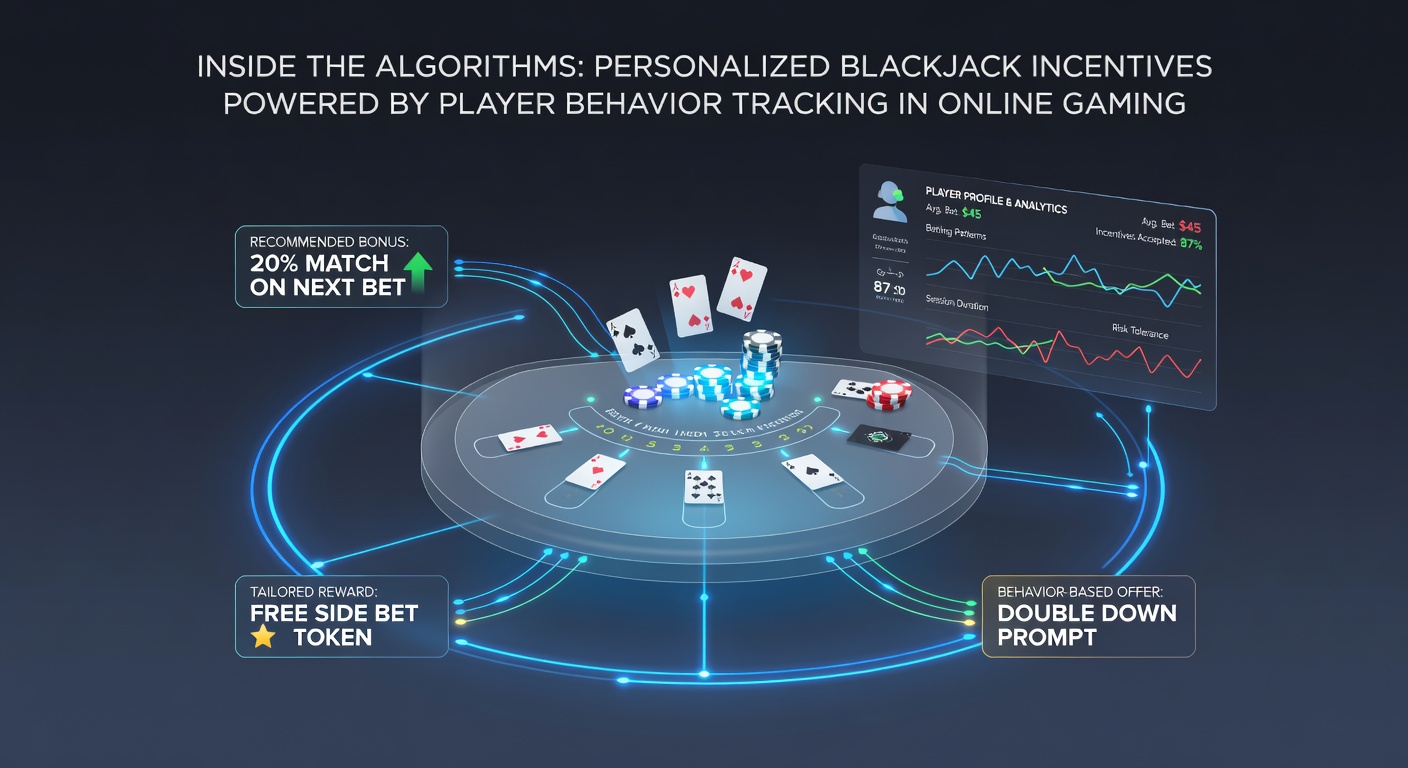
Platforms in operation as of mid-2026 have incorporated additional layers that cross-reference location data and device usage patterns to further contextualize offers, creating incentives that reflect both individual habits and broader market conditions. This layered analysis enables systems to deliver targeted reload structures or cashback mechanisms calibrated to specific risk profiles derived from prior sessions.
Regulatory and Industry Oversight Developments
Industry associations such as the American Gaming Association have published guidelines on ethical algorithm deployment that stress clear disclosure of tracking practices and limits on incentive frequency. These recommendations align with evolving standards in jurisdictions outside the United States, where bodies like the Malta Gaming Authority have introduced requirements for independent reviews of personalization engines to verify fairness in reward distribution.
Technical audits examine whether algorithms inadvertently amplify certain behaviors or create uneven access to incentives across player segments. Data from these reviews, released periodically, shows variations in how different platforms balance personalization with uniform application of base rules, reflecting ongoing adaptations to technological capabilities and oversight expectations.
Conclusion
Algorithms powering personalized blackjack incentives continue to advance through integrated behavior tracking that processes detailed player interactions on online platforms, and these systems operate under increasing regulatory scrutiny as of June 2026. The combination of real-time data analysis and predictive modeling enables precise tailoring of offers while remaining subject to established compliance frameworks across multiple regions.