Examining Loyalty Point Conversions from Blackjack Sessions into Redeemable Rewards on Cross-Platform Casino Networks
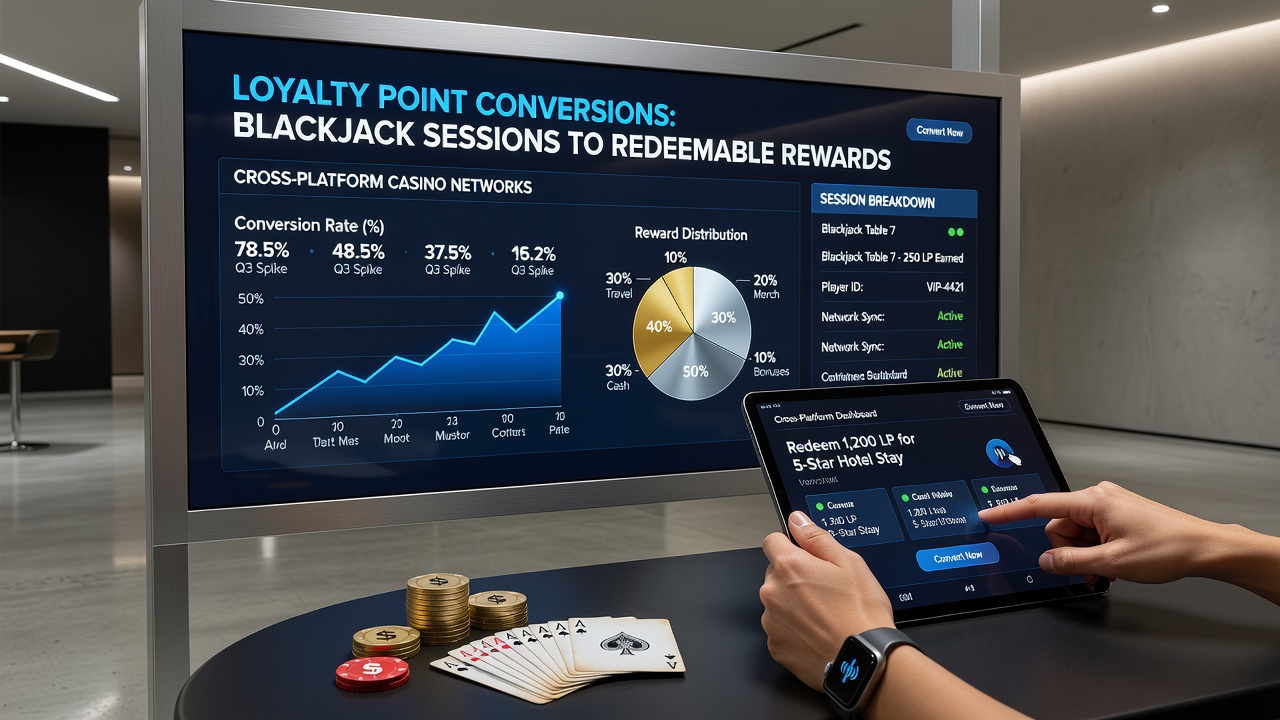
Cross-platform casino networks track player activity across multiple digital and physical venues, allowing blackjack sessions to generate loyalty points that convert into various redeemable rewards, and this system relies on standardized algorithms that calculate point values based on wager amounts and session duration. Players accumulate these points through standard play where each dollar bet typically yields a fixed point increment, while networks integrate data from participating operators to ensure seamless transfers between platforms.
Mechanics of Point Accumulation in Blackjack Environments
Blackjack tables on interconnected networks award points according to formulas that factor in average bet size and hands completed, so a player wagering $50 per hand over 200 hands might earn several thousand points depending on the network's base rate. Data from industry reports shows that these calculations often include multipliers for table minimums or promotional periods, and operators adjust rates seasonally to balance player retention with operational costs. Observers note that point accrual happens in real time through software that logs every hand, creating a cumulative total visible in user accounts across linked sites and apps.
Conversion Processes Across Networked Platforms
Once points reach certain thresholds, conversion tools allow players to exchange them for rewards such as bonus credits, merchandise, or event access, and the process uses exchange rates that vary by reward category with cash equivalents often set at ratios like 1000 points to $10 in playable funds. Networks enforce rules that require points to clear anti-money laundering checks before redemption, while June 2026 updates to several major platforms introduced automated verification steps that reduced processing times from days to hours. Those who've studied these systems know that cross-platform compatibility means points earned at one venue transfer directly to another without manual intervention, provided both belong to the same network consortium.
Types of Redeemable Rewards and Their Valuation
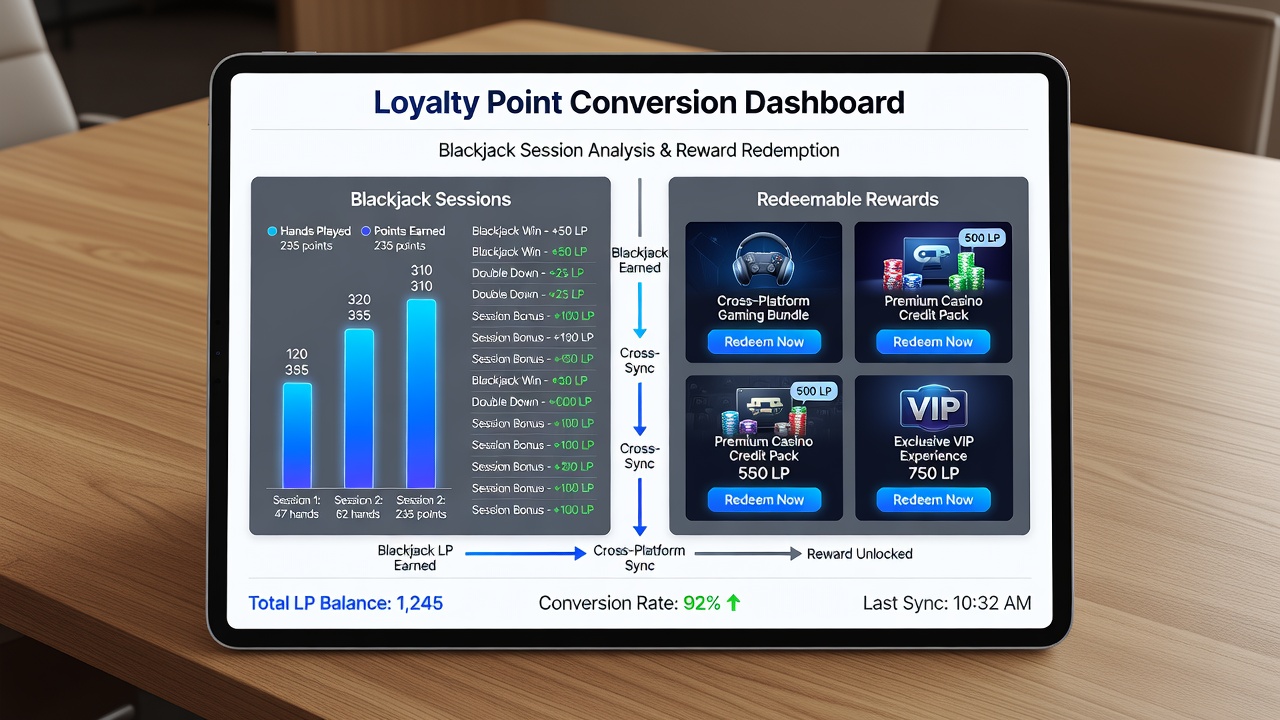
Rewards range from free-play credits usable on blackjack tables to physical items and travel packages, each assigned a point cost that reflects market value and network margins. Research from academic sources indicates that players convert points most frequently into gaming credits because these options provide immediate utility, whereas higher-tier redemptions like VIP experiences require larger balances accumulated over months of consistent play. Conversion rates receive periodic reviews by network administrators who monitor redemption patterns to prevent imbalances, and figures reveal that popular rewards maintain stable valuations while less common ones see adjustments based on supply and demand within the ecosystem.
Network Integration and Data Sharing Protocols
Interconnected platforms share encrypted player data to synchronize point balances and redemption histories, which enables consistent experiences whether someone plays on mobile apps or at physical tables affiliated with the network. Industry organizations such as teh American Gaming Association have documented how these protocols reduce duplicate accounts and streamline operations, while regulatory bodies in regions like Nevada track compliance through mandatory reporting on point conversion volumes. In practice this means a blackjack session in one jurisdiction can contribute points redeemable in another, provided teh network maintains licensing agreements across borders.
Player Behavior Patterns and Conversion Trends
Studies from the University of Nevada, Las Vegas track how frequent blackjack participants convert points at higher rates than occasional players, with data showing average conversion cycles occurring every 30 to 45 days for active accounts. Patterns indicate that users often accumulate points until reaching specific reward tiers rather than converting incrementally, and networks respond by offering bonus point multipliers during peak periods to encourage larger balances. Those monitoring these trends observe that cross-platform access increases overall redemption activity because players discover more reward options when balances transfer freely between venues.
Regulatory Oversight adn Compliance Requirements
Government agencies including the Alcohol and Gaming Commission of Ontario require networks to maintain transparent conversion tables and audit trails for all point transactions, ensuring fairness in how blackjack contributions translate to rewards. Compliance involves regular third-party reviews that verify algorithmic accuracy, and operators must publish updated exchange rates whenever changes occur. This framework supports consumer protection while allowing networks to innovate with new reward categories that appeal to diverse player segments across different markets.
Conclusion
Loyalty point systems on cross-platform casino networks continue to evolve through improved data integration and regulatory alignment, turning blackjack sessions into flexible reward opportunities that span multiple environments. The mechanisms governing accumulation, conversion, and redemption reflect coordinated efforts among operators, researchers, and oversight bodies to maintain consistent standards. As networks expand their reach, the pathways from table play to redeemable outcomes remain central to how players engage with these interconnected systems.