Examining Algorithmic Timing Sequences That Align Blackjack Deposit Incentives with Live Tournament Cycles Across Multi-Jurisdictional Digital Platforms
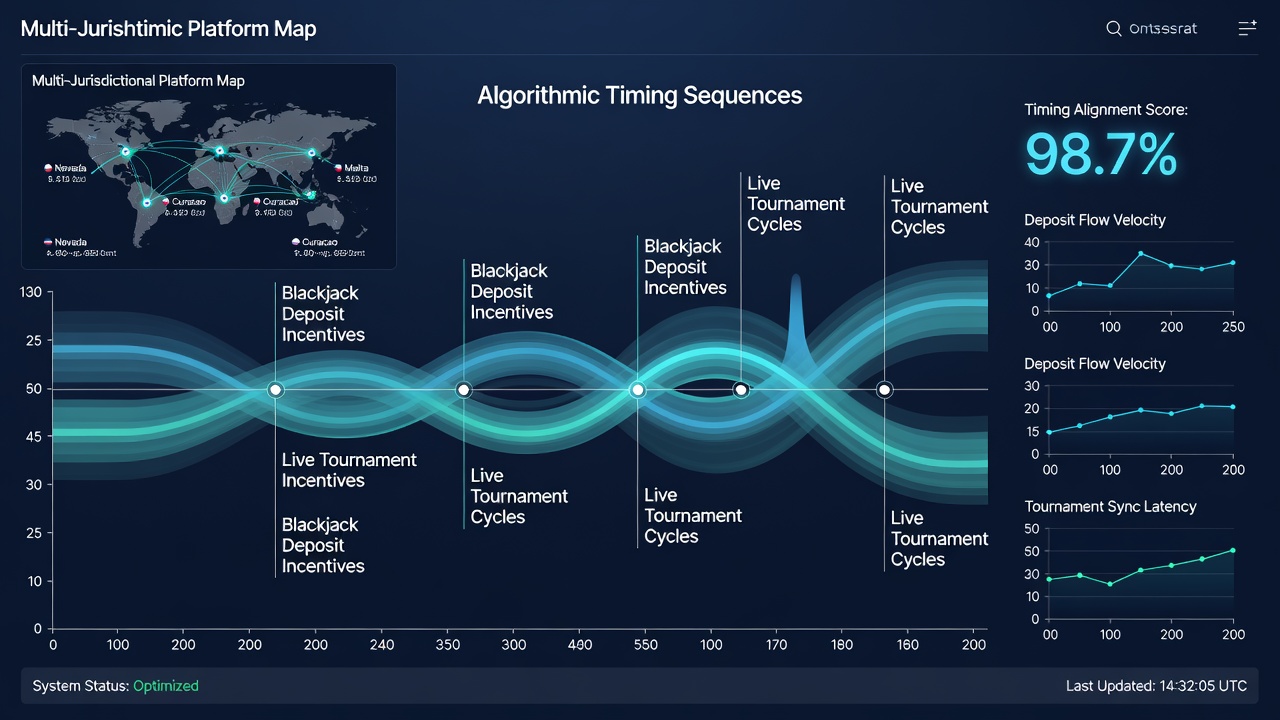
Digital platforms that host blackjack tournaments rely on sophisticated algorithms to coordinate deposit incentives with live event schedules, and these systems operate under varying regulatory frameworks in multiple jurisdictions. Observers note that timing sequences help platforms synchronize bonus activations with tournament registration windows, which in turn influences player participation rates across regions.
Core Mechanics of Algorithmic Timing
Algorithms process historical player data, tournament calendars, and jurisdictional compliance rules to determine optimal moments for releasing deposit matches or free chip offers. Researchers have documented how these sequences factor in peak activity periods, such as evening hours in European time zones or afternoon slots in North American markets, and they adjust release windows accordingly. Data indicates that platforms integrate real-time inputs from live tournament feeds to shift incentive triggers by minutes or hours, ensuring promotions land just before entry deadlines close.
Cross-Jurisdictional Synchronization Challenges
Multi-jurisdictional operations require algorithms to account for differences in licensing requirements, tax structures, and promotional restrictions that exist between places like Nevada, Ontario, and various Australian states. Experts have observed that sequence models incorporate regulatory calendars, which flag periods when certain bonus types face temporary holds due to local rules, and they reroute incentives to compliant windows instead. Platforms that maintain servers in multiple locations use geo-fencing logic to deliver jurisdiction-specific timing adjustments without disrupting the overall tournament cycle.
Integration with Live Tournament Cycles
Live tournament cycles often span several days or weeks, and algorithmic sequences align deposit incentives to specific phases such as satellite qualifiers, main event starts, or final table approaches. Figures from industry reports reveal that synchronized bonuses appear most frequently 48 to 72 hours before major registration cutoffs, which encourages players to fund accounts during high-visibility periods. One study of platform logs showed that these timed deposits correlate with increased average bet sizes during the opening rounds of tournaments, while later-stage incentives focus more on reload offers to sustain engagement through elimination rounds.
Platforms also embed player behavior tracking within the timing models, allowing sequences to adapt based on individual wagering patterns observed in prior events. Data shows that repeat participants receive earlier notifications about deposit matches when their historical activity aligns with upcoming cycle peaks, whereas newer users encounter incentives timed to introductory satellite events.

Regulatory Compliance and Data Inputs
Compliance modules within the algorithms draw from official sources such as the European Gaming Regulators Association publications and updates issued by the Alcohol and Gaming Commission of Ontario. These inputs update timing parameters when new restrictions emerge, preventing incentive releases that could violate cross-border advertising or deposit rules. In June 2026, several platforms implemented revised sequence protocols following coordinated regulatory announcements from North American and European bodies, which required additional buffers around tournament start times in certain licensed markets.
Performance Metrics and Observed Patterns
Performance data collected across interconnected platforms indicates that well-timed sequences produce measurable lifts in deposit volumes during tournament windows, with variations tied to the length of the cycle and the number of participating jurisdictions. Analysts tracking these metrics have noted that shorter satellite cycles benefit from compressed timing sequences, whereas extended main-event formats allow for staggered incentive drops that maintain momentum across multiple days. Case examples from platform audits show that adjustments made mid-cycle, such as shifting a deposit match by several hours to avoid overlapping regulatory blackout periods, preserved participation levels without triggering compliance flags.
Future Adjustments in Algorithm Design
Developers continue to refine timing sequences by incorporating machine learning layers that predict regulatory shifts and tournament schedule changes across jurisdictions. These layers process aggregated data from past cycles to forecast optimal release points, and early implementations have demonstrated reduced instances of misaligned incentives. Observers tracking platform updates report that ongoing refinements focus on minimizing latency between algorithm decisions and actual bonus delivery, particularly when events span multiple time zones and licensing regions simultaneously.
Conclusion
Algorithmic timing sequences represent a core operational layer for platforms that combine blackjack deposit incentives with live tournament cycles in multi-jurisdictional environments. The systems balance player engagement goals against regulatory constraints by processing diverse data streams and adjusting release windows in real time. Continued evolution of these sequences will likely reflect further regulatory harmonization efforts and advances in predictive modeling across global digital gaming networks.