Decoding Sequential Incentive Chains and Their Influence on Card Game Choices in Interlinked Digital Platforms

Sequential incentive chains represent structured sequences of rewards that unfold across multiple stages in digital card gaming environments, and these systems shape how participants select games when platforms connect through shared accounts or cross-promotions. Data from regulatory filings indicate that such chains often begin with initial deposits or sign-ups and progress through wagering milestones that unlock additional benefits on linked sites.
Core Mechanics of Sequential Incentive Chains
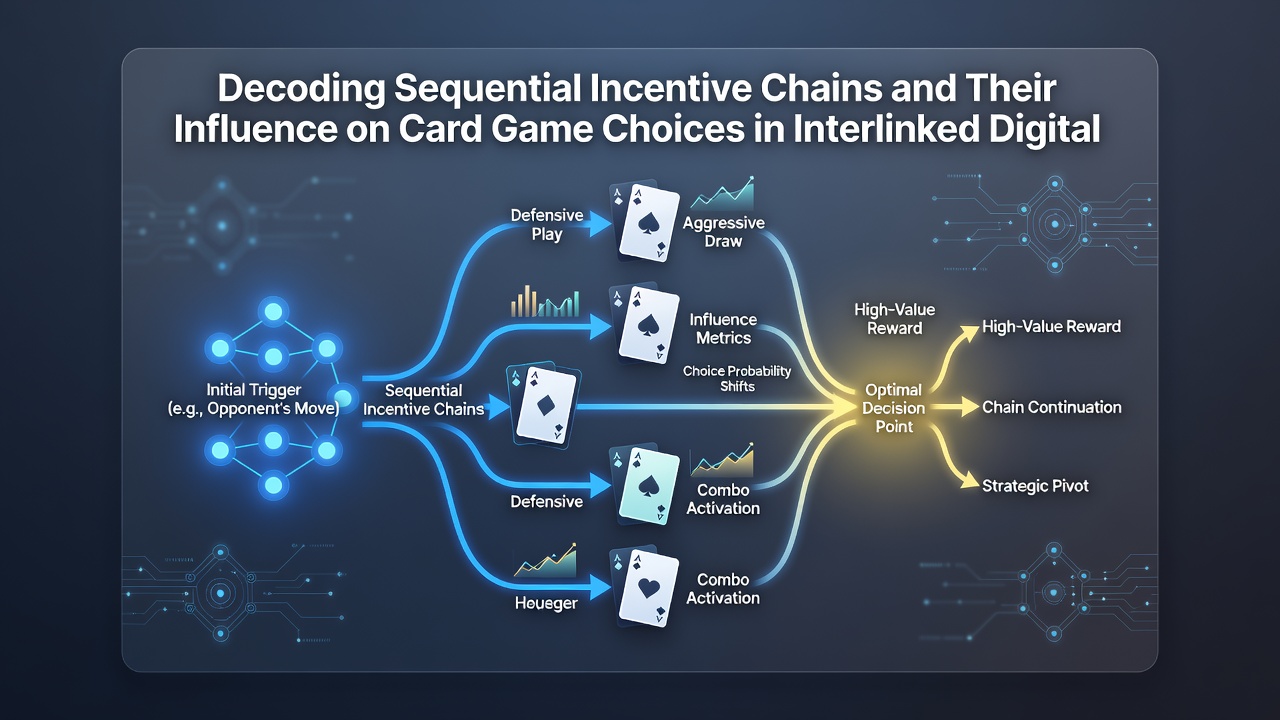
These chains operate by linking one reward to the completion of specific actions that then trigger the next layer, creating a pathway where early choices in one card game determine access to incentives in others. Observers note that participants frequently encounter structures requiring cumulative play across blackjack variants or poker formats before advancing to higher-tier rewards, and this progression relies on tracking systems that monitor activity across interconnected digital spaces.
According to records maintained by the Nevada Gaming Control Board, incentive sequences in 2025 showed average chain lengths spanning four to seven stages, with each stage tied to distinct card game categories. Players advance by meeting thresholds like hand volumes or session durations, which in turn activate perks such as increased limits or exclusive table access on partner platforms.
Interconnections Across Digital Platforms
Interlinked platforms share user data and reward ledgers through centralized systems that allow progress in one environment to carry over to another. This setup appears in networks where a single login grants entry to multiple card game providers, and sequential incentives encourage movement between these spaces rather than isolated play. Research from teh University of Nevada, Las Vegas gaming studies indicates that such linkages increased cross-platform activity by measurable margins in monitored markets during 2025.
Platforms achieve these connections via application programming interfaces that synchronize bonus statuses, while compliance requirements from bodies like the Belgian Gaming Commission ensure transparent tracking of how incentives transfer between jurisdictions. Those who study these systems report that synchronization reduces friction for participants, allowing a bonus earned in one card room to influence game selection in another without restarting the sequence.
Effects on Card Game Selection Patterns
Sequential chains steer choices toward games that fulfill specific requirements within the sequence, such as favoring certain blackjack rule sets that count toward progression goals over others. Figures from industry reports reveal that participants adjust their preferred variants based on which title advances the chain most efficiently, leading to concentrated activity in games aligned with current incentive stages rather than consistent favorites.
In June 2026 updates from North American operators, tracking data highlighted shifts where players moved from high-volatility card formats to steadier options when chains emphasized completion speed over maximum payouts. This pattern emerges because early stages often prioritize volume, while later stages reward strategic consistency across linked environments.
Tracking Systems and Behavioral Data
Advanced analytics tools capture every step in these chains, revealing correlations between incentive timing and game switches. Experts at academic institutions have documented how real-time dashboards display remaining milestones, prompting adjustments in card game selections to optimize remaining rewards. Such visibility influences decisions by making the next link in the chain the immediate priority.
Cross-platform environments amplify this effect since progress bars visible in one app reflect activity completed elsewhere, creating a unified view that ties disparate card games into a single progression narrative. Reports compiled by gaming associations in Canada show sustained engagement when sequences span multiple titles, as participants complete stages to unlock benefits that apply network-wide.
Regulatory Context and Platform Adaptations
Regulatory frameworks require clear disclosure of how sequential incentives function across borders, prompting operators to refine chain designs for compliance. Adaptations include capping transfer values between platforms and implementing verification steps that verify eligibility before advancing stages. These measures maintain chain integrity while addressing oversight from multiple agencies.
Platform developers respond by embedding educational prompts that outline sequence requirements at key decision points, helping participants understand which card game aligns with their current position in the chain. This approach appears in several major networks where menu interfaces highlight games that count toward active milestones.
Conclusion
Sequential incentive chains continue to define navigation through interlinked digital card platforms by establishing clear pathways that reward completion across connected games. Evidence gathered from regulatory and academic sources demonstrates measurable impacts on selection patterns, with data systems enabling precise tracking of how early choices shape later opportunities. As networks expand, these structures maintain their role in guiding activity without altering core game mechanics.