Decoding hidden wagering loops: how bonus code sequences drive blackjack retention across multi-platform casino networks
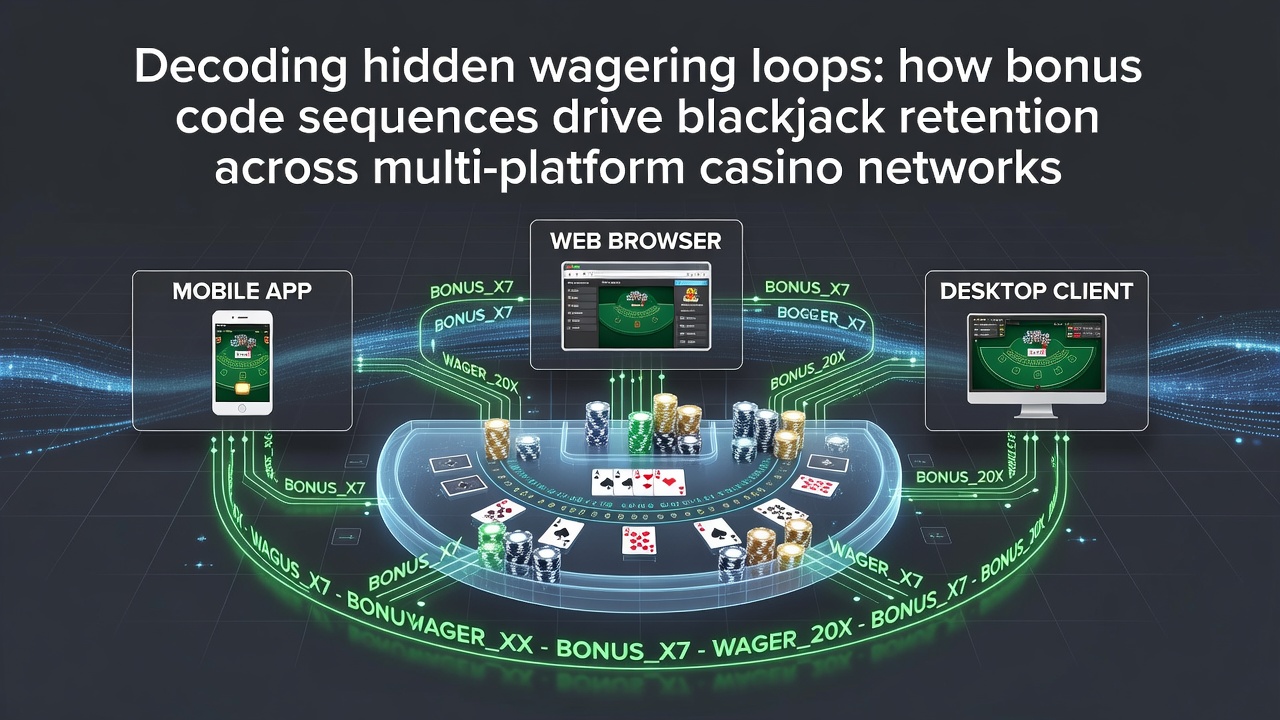
Bonus code sequences function as structured chains of promotional identifiers that activate layered wagering requirements in blackjack environments, and these sequences connect player accounts across separate casino platforms through shared loyalty databases. Operators deploy them to extend session durations by triggering incremental rewards after specific hand volumes or bet totals are reached, while the underlying mechanics rely on algorithmic tracking that logs each code redemption and links it to ongoing play patterns.
Mechanics of Sequence Activation
Each bonus code in a sequence carries distinct parameters such as wagering multipliers and time-bound validity windows, and these parameters activate automatically once a player enters the code during deposit or account login processes. Platforms integrate these codes into centralized player management systems so that progress toward one requirement carries forward when users switch devices or migrate to partner sites within the same network, and this continuity reduces drop-off rates during platform transitions.
Data compiled by the New Jersey Division of Gaming Enforcement shows that sequences incorporating three or more linked codes correlate with extended average play intervals in virtual blackjack rooms, particularly when codes unlock escalating cashback tiers after cumulative wagers exceed defined thresholds. Retention improves because players receive immediate feedback through progress indicators that display remaining requirements, encouraging continued participation until the full sequence completes.
Cross-Platform Retention Patterns
Multi-platform networks synchronize bonus code sequences through unified player profiles, allowing a code redeemed on a desktop interface to update status on mobile applications and integrated third-party sites without manual re-entry. This synchronization creates closed loops where completion of one code segment releases the next identifier, and players remain engaged as they chase the terminal reward in the chain. Researchers tracking behavior across these networks note that sequence-driven retention rises measurably when platforms share real-time data on hand outcomes and bonus fulfillment status.
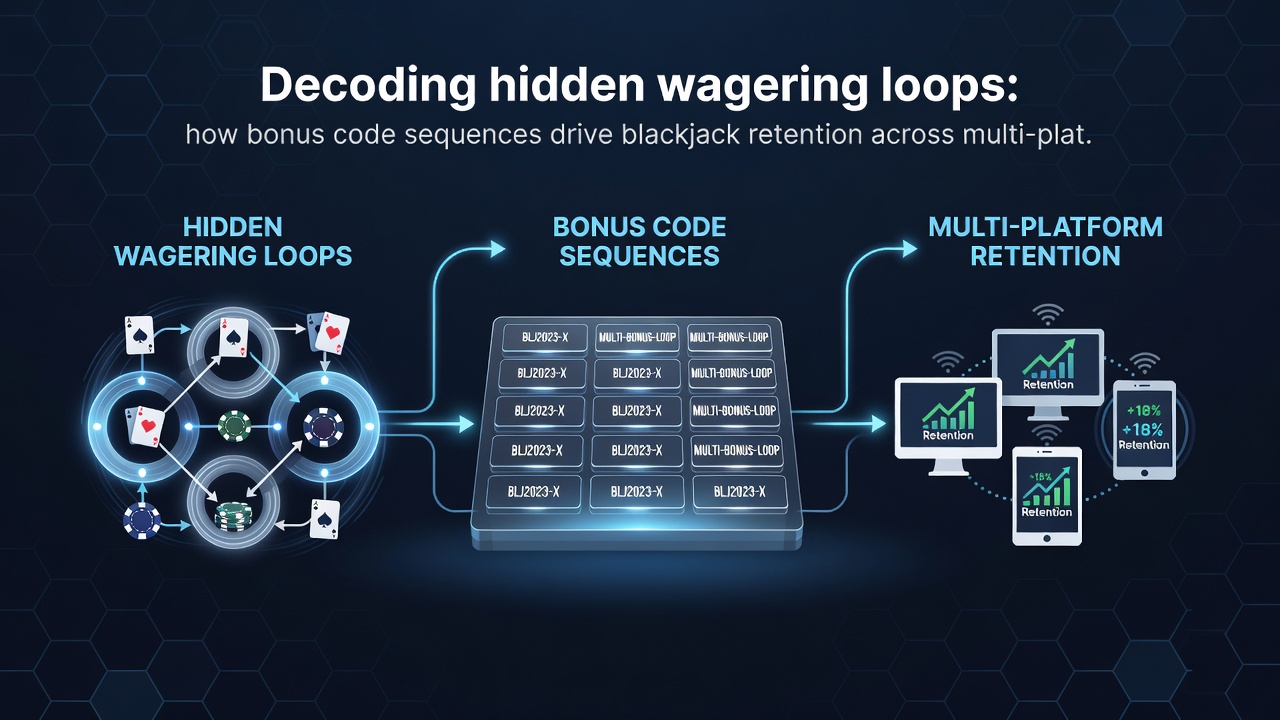
Studies conducted by the Canadian Gaming Association indicate that sequences spanning multiple platforms sustain higher monthly active user counts compared with isolated single-site promotions, because the interconnected design distributes player attention across the network rather than concentrating it on one environment. In July 2026 several major operators updated their sequence algorithms to incorporate predictive adjustments based on historical completion rates, which further refined how codes adapt to individual wagering speeds and session lengths.
Algorithmic Triggers and Player Tracking
Behind each sequence sits a rules engine that monitors metrics including total hands played, average bet size, and time between logins, then releases the subsequent code when preset conditions are met. These engines draw from aggregated datasets that exclude personal identifiers yet reveal broader trends such as peak redemption hours and preferred device transitions. Observers note that sequences incorporating time-sensitive triggers, such as codes valid only during evening windows, produce tighter retention curves because players align their activity to meet deadlines.
Figures released through industry reports from the Australian Gambling Research Centre highlight that blackjack-specific sequences outperform generic casino codes in maintaining cross-platform continuity, largely due to the game's structured hand-by-hand progression that naturally aligns with incremental code releases. When networks link these sequences to tiered loyalty accounts, players who complete early segments often receive elevated status that carries additional perks on partner platforms, reinforcing the loop without requiring separate enrollment steps.
Regulatory Context and Data Oversight
Regulatory bodies in multiple jurisdictions require operators to document sequence mechanics and report aggregate fulfillment statistics, ensuring transparency around how codes influence extended play. In regions where multi-platform operations fall under unified licensing frameworks, auditors examine whether sequence designs comply with responsible gaming parameters such as session time limits and loss thresholds. This oversight has prompted some networks to embed cooling-off prompts at code transition points, interrupting potential loops while still allowing completion for those who choose to continue.
Academic analyses from the University of Nevada, Las Vegas gaming research programs have examined retention data tied to sequential bonuses and found that blackjack sequences exhibit distinct patterns compared with other table games, particularly in how code chains encourage repeated logins across devices. These patterns emerge because each fulfilled segment provides both monetary reinforcement and psychological momentum toward the next stage.
Conclusion
Bonus code sequences operate as interconnected mechanisms that guide blackjack participation through defined reward stages, and their deployment across multi-platform networks produces measurable effects on account longevity and session distribution. Tracking systems capture the progression from initial code entry through final fulfillment, while regulatory reporting maintains visibility into aggregate outcomes. As networks refine these structures with updated algorithms, the core function remains the linkage of promotional steps to sustained player activity within blackjack environments.